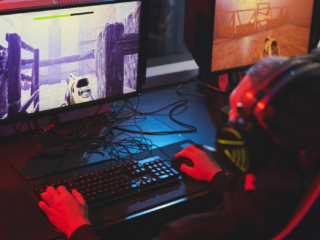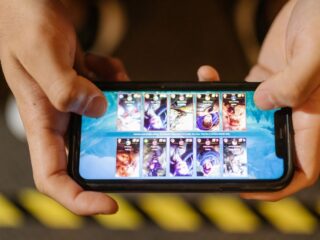
Online communities are no longer just places to post and reply. They’ve grown into complex environments where people talk, create, share, and spend real time, often daily. What used to be static forums now function more like living spaces, shaped by interaction and built to feel familiar.
New tools make this possible. Features like real-time voice, customizable avatars, and spatial design are turning these platforms into fully immersive social spaces. People don’t just chat; they hang out, attend events, and collaborate across distance in ways that feel natural.
When Shared Interests Create Global Communities
Across time zones and borders, people are forming digital spaces built around what they care about. These communities give structure to scattered interests, turning casual hobbies into places for discussion, collaboration, and support.
One example is the world of urban farming. People in different cities trade ideas about balcony gardens, composting techniques, and container growing. Through shared photos, live Q&As, and real-time chat, beginners and experts learn from each other. Watching someone thousands of miles away succeed with the same plant you’re trying to grow brings an unexpected kind of motivation!
Online communities have become essential for more specific hobbies, too. For example, we all know someone who likes to place an online sportsbet before watching a big game. The rise of this activity has led to tightly focused forums where fans share betting strategies, compare odds, and talk through match predictions. It’s less about winning big and more about staying informed, and doing it with others who enjoy the same kind of build-up and breakdown around each event.
You’ll see the same thing with language learners. Instead of studying alone, they form groups inside apps where people trade vocabulary, hold voice chats, and check in on progress. The structure may be digital, but the support is personal.
The Role of Virtual Reality
Virtual reality has moved well beyond early tech demos. What once felt experimental now supports full environments where people can move, speak, and interact naturally. Headsets no longer just display visuals; they place users inside shared spaces that feel physical, even when they’re miles apart.
In professional settings, VR makes collaboration less abstract. Architects and designers use it to walk through models as a team, catching design flaws or exploring layout changes in real time. Everyone sees the same thing, and decisions get made faster, without endless rounds of back-and-forth.
Social use has grown just as quickly. Friends host virtual gatherings (birthdays, game nights, or casual check-ins) where avatars move, music plays, and the space responds as if it were a real room. These moments help people stay close, even when travel isn’t possible.
Businesses rely on VR to train employees in controlled, hands-on ways. Whether it’s customer support or equipment handling, people learn by doing, with instant feedback that reinforces memory and builds confidence.
Artificial Intelligence Strengthens Personal Connections
By analyzing what users post, click, and respond to, AI helps platforms suggest content that matters, connect people with shared interests, and keep conversations on track.
Community managers use AI tohandle everyday tasks. Tasks like welcoming new members, organizing events, or flagging duplicate questions are handled behind the scenes. That leaves more room for people to focus on what matters: actual discussion, problem-solving, and growth.
Feeds also get smarter. Instead of random updates, users see posts that align with their interests, habits, and pace. In a fitness group, for example, that might mean surfacing progress check-ins or suggesting routines based on a person’s training style.
AI also removes barriers. Real-time translation allows conversations between people who don’t share a common language. That opens the door for global exchanges, not just content-sharing, but actual dialogue.
The Economy Inside Virtual Communities
Digital spaces aren’t just social; they’re becoming places where people build and earn. Creators design avatars, virtual clothes, and spaces, then sell them directly to other users. There’s no gatekeeper, just demand and creativity!
Freelancers and builders benefit, too. The need for coders, environment designers, and moderators grows as more platforms expand. Community-based ecosystems need care, and the people who keep them running become central to their thriving.
Then there’s digital property: users buying virtual land, designing storefronts, or hosting paid events. For many, it’s a low-cost way to experiment, build, and earn in a space where the rules are still being written.
About The Author