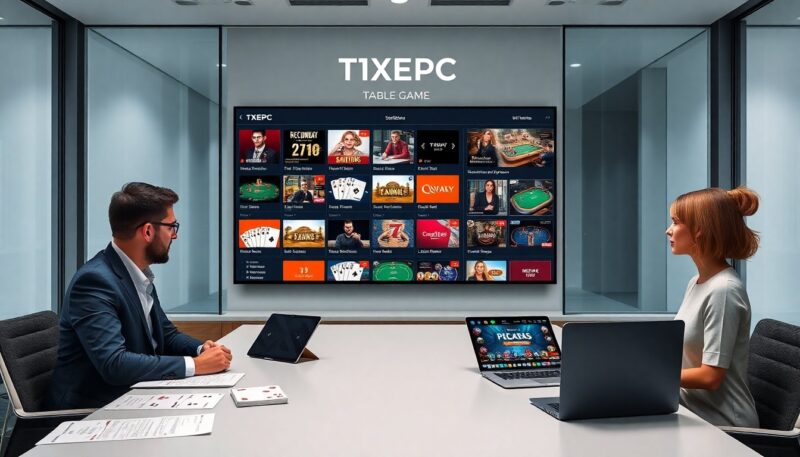
gaming articles txepc must match reader expectations and site rules from the first sentence. The guide explains who reads TxEPC, which tone fits, and what format the publication accepts. It shows simple steps for topic choice, research, writing, SEO, and publishing. The guide uses clear rules and examples. It keeps advice practical so writers can start producing publishable gaming articles txepc quickly.
Key Takeaways
- Gaming articles TxEPC should target readers aged 18–35 with concise, fact-driven content focusing on game news, impressions, and strategy tips.
- Writers must follow TxEPC’s structured format: lede, context, details, and takeaways, ensuring clarity and easy scanning for mobile users.
- Effective gaming articles TxEPC rely on fast, accurate research from official sources, gameplay observation, and clear citation of patches and updates.
- Incorporate the primary keyword “gaming articles TxEPC” naturally in the title, lede, and sections for better SEO while maintaining user-focused value.
- Follow strict style guidelines including image use, captions, links, and clear asset naming to meet publication standards.
- Measure article performance post-publishing and use reader feedback to refine future gaming articles TxEPC, leveraging tested headlines and layouts.
Understand The TxEPC Reader, Tone, And Publication Format
TxEPC readers look for fast facts and honest opinion. They want game news, hands-on impressions, and short strategy tips. The writer identifies the reader by age, interest, and tech level. The writer notes that many readers are 18–35 and use mobile devices. The writer avoids long history lessons and focuses on action, key features, and value.
The writer matches tone to the reader. The tone stays clear, confident, and direct. The writer uses short paragraphs and active verbs. The writer uses third person voice to describe characters, players, and developers. The writer avoids hype and gives evidence for claims.
The publication format sets word limits and section order. The writer follows TxEPC headings: lede, context, details, and takeaways. The lede gives the core fact. The context gives basic background. The details list features, system needs, and price. The takeaways give quick verdicts and next steps.
The writer checks style rules before pitching. TxEPC favors one screenshot per 300 words and one embedded link per 200 words. The writer formats images with captions and credits. The writer uses clear file names for assets. The writer prepares a short bio and a contact line for edits.
When writing for TxEPC, the author tests the draft on mobile. The author reads aloud to check flow. The author keeps gaming articles txepc fact-driven and user-focused to keep readers returning.
Select Compelling Topics And Research Games Efficiently
The writer finds topics that match reader interest and site goals. The writer scans release schedules, social trends, and competitor headlines. The writer filters ideas by originality and reader value. The writer rejects soft rumors and chooses games with clear hooks.
The writer uses fast research methods. The writer reads official patch notes, dev tweets, and store pages. The writer watches 10–20 minutes of gameplay to confirm mechanics. The writer records system performance and user reactions. The writer cites sources with links and short attributions.
The writer frames the angle before writing. The angle focuses on one clear promise: why the reader should care. The writer crafts a one-sentence angle and tests it against the target audience. The writer adjusts the angle to fit TxEPC’s tone and format.
The writer uses templates for quick work. The template includes headline options, lede sentences, five key points, and a two-line verdict. The writer fills the template after research. The writer edits the template to match the specific game and avoids generic phrases.
The writer keeps gaming articles txepc accurate by tracking patches and hotfixes. The writer updates articles when major changes occur. The writer notes the update date in the article. The writer keeps links to source pages and patch notes so readers can verify claims.
The writer aims to mention gaming articles txepc goals in pitches. The writer shows clear metrics: expected reads, SEO keywords, and link targets. The writer keeps research lean and directly relevant to the piece.
Write, Optimize, And Publish: Structure, SEO, And Workflow Best Practices
The writer structures the article for scanners. The writer uses a lede that states the main point. The writer uses subheads that summarize each section. The writer uses short paragraphs and bullet lists for specs and tips. The writer avoids long blocks of text.
The writer optimizes for search. The writer places the target keyword in the title, lede, and at least once per main section. The writer uses semantic variants naturally. The writer keeps keyword density steady so search crawlers recognize the focus. The writer balances the keyword with clear user value. The writer adds meta description that repeats the target phrase and a clear call to action.
The writer uses readable URLs and descriptive file names for images. The writer adds alt text that includes the target phrase when relevant. The writer checks page speed and compresses images. The writer previews the article on mobile and desktop before publishing.
The writer follows an editing checklist. The checklist verifies facts, links, and code blocks. The checklist checks grammar, style, and voice. The checklist confirms image captions and credits. The checklist tests all links and playlists. The writer runs a final pass for clarity and flow.
The writer sets a clear workflow for publication. The writer assigns a draft owner, an editor, and a publisher. The writer sets deadlines for draft, edits, and final checks. The writer uses shared documents and simple version control. The writer keeps a changelog for updates.
The writer measures performance after publish. The writer tracks pageviews, time on page, and click rates. The writer compares each gaming articles txepc piece to similar posts. The writer records which headlines and formats drive engagement. The writer iterates on strong formats.
The writer uses feedback to improve future pieces. The writer keeps a swipe file of working headlines, openers, and layouts. The writer reuses clean structures to produce more gaming articles txepc that match reader needs.
About The Author