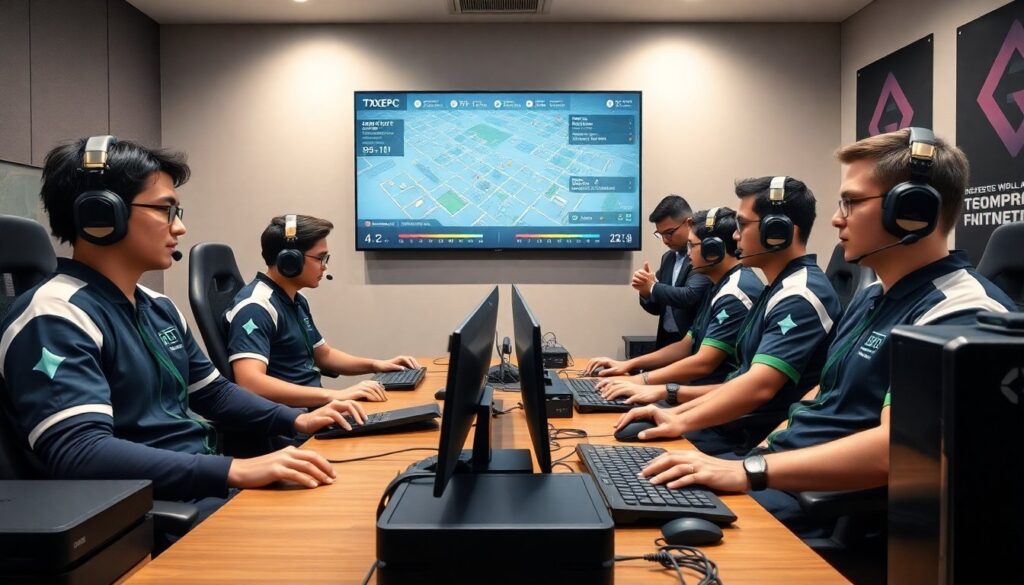
This gaming article txepc outlines what TxEPC is and why players care in 2026. It explains origins, core play, controls, and community. It gives quick tips that help players improve fast. It lists resources for learning and competing. It keeps language simple and direct so readers learn quickly and act confidently.
Key Takeaways
- TxEPC is a fast-paced hybrid shooter released in 2024, combining strategic squad control with short, repeatable matches to keep gameplay engaging.
- Players control diverse classes and focus on capturing dynamic points in 8–12 minute rounds, emphasizing team coordination and risk-taking over solo play.
- The game supports PC and consoles with crossplay, requiring mid-range hardware for smooth performance and offering flexible control schemes.
- To improve quickly in TxEPC, players should practice role duties, warm up regularly, analyze replays, and communicate simply with teammates.
- Staying competitive means adapting loadouts based on map metas, patch notes, and watching top players to keep pace with frequent balance changes.
- The active community, modders, and frequent tournaments enhance the competitive scene, supported by developers through regular updates and community engagement.
What TxEPC Is And Where It Came From
TxEPC started as a mod project in 2022 and then grew into a standalone title. This gaming article txepc traces its roots to an indie team that reused existing engines. The team focused on hybrid shooter and tactical objectives. Players found the mix of speed and planning compelling. Publishers gave modest funding in 2024 and the game reached wider audiences. Esports organizers then added ranked ladders. The design favors short matches and repeatable decision cycles. The history shows fast iteration and community feedback shaped core features.
Core Mechanics And Gameplay Loop
TxEPC asks players to control squads and capture dynamic points. This gaming article txepc uses timed rounds that reward map control and resource bursts. Players select classes with clear roles: scout, assault, support, and engineer. The loop follows three steps: deploy, contest, and rotate. Players earn upgrades by holding points and completing short tasks. Matches last 8 to 12 minutes on average. The pacing forces decisions under pressure. The design encourages risk and coordinated play rather than lone actions.
Controls, Platforms, And System Requirements
TxEPC supports PC and current consoles. This gaming article txepc gives key bindings for PC that favor keyboard and mouse. Default controls map movement to WASD and aim to mouse. Console layouts use controllers with aim assists that stay optional. Minimum PC specs list a mid-range CPU, 8 GB RAM, and an entry GPU. Recommended specs list a recent CPU, 16 GB RAM, and a mid-range modern GPU for stable 60 FPS. Crossplay is available, and servers match players by input type if requested.
Top Strategies To Improve Fast
Players should learn role duties and keep short practice routines. This gaming article txepc recommends warm-up drills for aim and movement for ten minutes before play. Players should watch match replays to spot mistakes and adjust loadouts. Teams should use simple voice calls like “push left” or “hold center” to reduce confusion. Players should prioritize objective timing over chasing kills. Players should rotate only when timers or positioning demand it. Consistent routines help build reliable decisions under pressure.
Map, Mode, And Meta Breakdown
Maps in TxEPC feature layered vertical play and choke points. This gaming article txepc explains each map with quick notes: spawn flow, central choke, and flank lanes. Modes include Control, Escort, and Time Siege with small rule shifts. The meta favors flexible loadouts that let players adapt mid-round. Players track shifts by watching top teams and patch notes. Small balance changes often move power between classes. Players who read notes and test one change per day adapt faster and keep their win rate steady.
Community, Mods, And Competitive Scene
The TxEPC community runs official forums and many third-party hubs. This gaming article txepc highlights active modders who add maps and custom modes. Tournament organizers run weekly cups and monthly major events with cash prizes. Teams form around regional ladders and sponsor streams. Community tools include stat trackers and replay analyzers that helpers build. Streamers and content creators shape new strategies. Developers engage with the community via regular Q&A posts and public test servers. This feedback loop keeps the scene active and visible.
Future Updates, Tips For New Players, And Resources
Developers plan seasonal updates that add maps and tweak classes. This gaming article txepc lists simple tips new players can use now: stick with one role for ten hours to learn it, watch high-level streams for two matches a day, and practice one mechanic each session. Resources include official patch notes, community-made guides, and ranked stat pages. New players should join one active clan or group to find consistent teammates. Regular practice and community help speed up skill gains and enjoyment.
About The Author