Gaming post txepc explains how to build and run a TxEPC rig for play and streaming. This guide gives clear steps for hardware, software, tuning, and sharing. It uses plain language and direct steps. The reader learns practical setup, common fixes, and ways to show or monetize a rig.
Key Takeaways
- TxEPC significantly reduces input lag and offloads video encoding from the CPU, enhancing gameplay smoothness and streaming quality for gamers and streamers.
- Setting up a TxEPC rig involves specific hardware connections and software configurations to optimize encoding tasks and system performance.
- Proper tuning includes assigning encoding to the TxEPC card, balancing game graphics settings, enabling hardware acceleration, and capping frame rates to reduce latency and dropped frames.
- Common TxEPC issues like detection problems, high encoder latency, dropped frames, and driver conflicts can be resolved by reseating hardware, updating drivers, adjusting encoding presets, and ensuring stable network connections.
- Sharing your TxEPC setup with detailed guides, videos, and clear posts can build community trust and open monetization opportunities through affiliate links, services, and tutorials.
What Is TxEPC And Why It Matters For Gamers
TxEPC stands for Transport External Processing and Compression. It reduces latency and offloads video encoding from the main CPU. Gamers gain lower input lag and steady frame delivery. Streamers gain higher-quality broadcasts with less CPU use. Competitive players prefer TxEPC for consistent frame timing. Casual players benefit from smoother recording and simpler streaming. The concept suits machines that run modern titles and multi-task with capture or streaming apps. It matters because it moves heavy tasks to a dedicated path and keeps gameplay responsive.
Hardware And Software Setup For TxEPC
This section lists required items and the main installation steps. It covers both physical connections and the software stack. The reader gets a compact plan to get a rig online quickly.
Performance Tuning And Game Settings For TxEPC
They should tune both system and game for peak results. They should set the game to run on the primary GPU. They should assign encoding tasks to the TxEPC card via the capture or streaming app. They should set encoder preset to a mid-high speed for quality with low CPU load. They should choose a bitrate that matches the upload link or recording needs. They should enable hardware acceleration in the encoder settings. They should cap the frame rate to match display refresh to avoid wasted frames. They should set in-game graphics to balance CPU and GPU load. They should monitor frame time and dropped frames. They should test different encodes on short clips to compare quality and lag.
Troubleshooting Common TxEPC Issues
They will see a few common problems. The guide lists fixes and quick checks. The reader gets fast paths to restore function.
Issue: No card detected. They should reseat the card and try another PCIe slot. They should update the motherboard BIOS and chipset drivers. They should test the card in another system.
Issue: High encoder latency. They should lower encoder preset and confirm hardware acceleration is active. They should check for background apps that use CPU or GPU and close them.
Issue: Dropped frames in streams. They should lower bitrate, switch to CBR, and test network stability. They should try a wired Ethernet connection and avoid Wi‑Fi for live streams.
Issue: Driver conflicts. They should remove old drivers with a clean tool and install fresh drivers. They should avoid beta drivers for stable streaming.
Sharing, Showcasing, And Monetizing Your TxEPC Gaming Posts
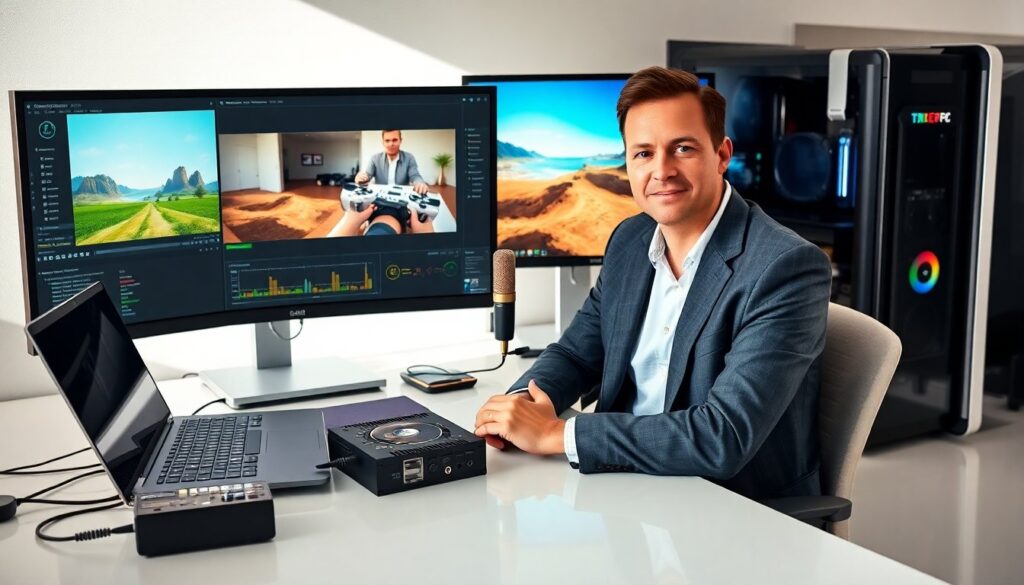
They can share rigs and setups in many ways. They can post build photos and component lists on forums and social sites. They can record comparison clips that show encoding quality and latency. They can stream with overlays that explain settings. They can write step guides and upload them to a blog or a knowledge base.
For monetization, they can do affiliate links for components. They can offer setup services or paid guides. They can sell short tutorial clips or presets. They can host paid workshops for players who upgrade to TxEPC. They should disclose paid links and sponsorships. They should keep posts factual and show real results. They should include system specs, driver versions, and sample clips to build trust.
When posting, they should keep file names clear and use short captions. They should tag components and use platform keywords like TxEPC and low-latency encode. They should update posts when they change firmware or drivers. They should track engagement to learn what the audience finds useful.
About The Author