A family should protect memories with a clear digital home archives txepc plan. This guide explains steps, tools, and habits. It gives practical rules for file safety, metadata, backups, and sharing. It uses plain language and real examples. It helps a person start or improve an existing archive in 2026.
Key Takeaways
- Digital home archives txepc preserve family memories by ensuring files remain accessible, authentic, and well-organized across devices and over time.
- The TXEPC method emphasizes transferability, exactness, evidence, portability, and custody to guide reliable digital preservation practices.
- Using essential hardware like external SSDs, NAS, cloud backups, and UPS units along with simple software tools helps start a secure digital home archives txepc system.
- Organizing files with meaningful metadata and clear folder structures enhances quick access and maintains the context of digital home archives txepc assets.
- Implementing three backup layers—local, offsite cloud, and offline encrypted copies—combined with regular verification and format migration ensures long-term safety and usability of archives.
Why Digital Home Archives Matter For Families And Memories
Families store photos, documents, and videos as digital home archives txepc assets. These assets show life events, family trees, and legal records. A household loses data when drives fail or accounts close. A clear archive preserves context and provenance. It keeps files readable across device changes. It helps heirs find and use memories after a loss. It reduces stress by centralizing important items. It saves time when a person needs a tax record, warranty, or school certificate. The system also helps control sharing and privacy for minors.
The TXEPC Approach: Core Principles For Reliable Preservation
The TXEPC method guides each person to plan archives with five rules. T stands for transferability: files must move between devices without loss. X stands for exactness: files must retain original quality and checksums. E stands for evidence: records must include creation date and source. P stands for portability: files must use universal formats and codecs. C stands for custody: roles must assign who manages backups and access. A household applies TXEPC by choosing formats, logging provenance, and naming an executor for digital assets.
Essential Hardware And Software To Get Started
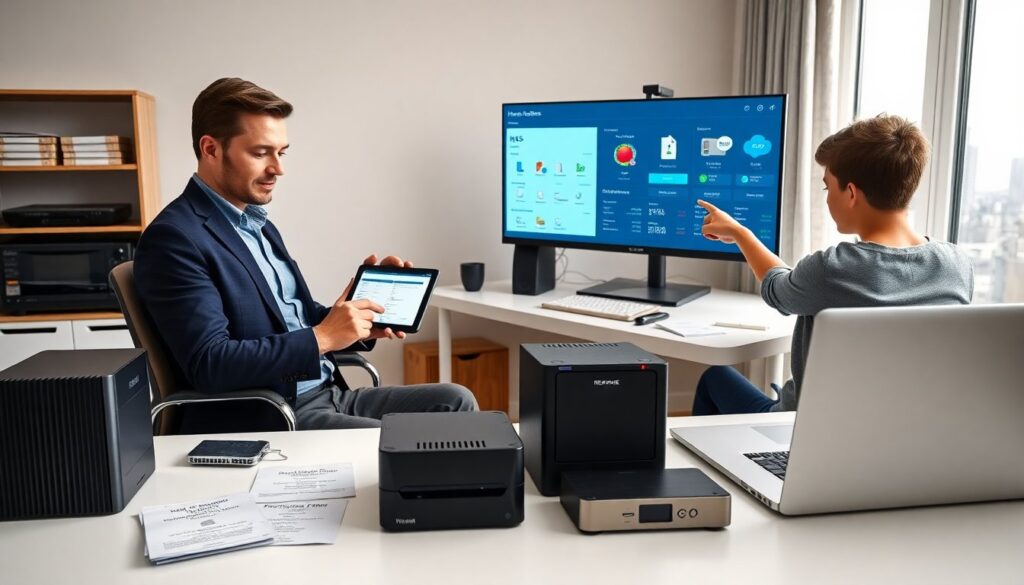
A homeowner needs three hardware items and simple software to begin digital home archives txepc work. They pick an external SSD or NAS for local storage. They add a cloud service for offsite backup. They use a small UPS to protect hardware from power loss. For software, they use a file manager, a checksum tool, and a metadata editor. They use automated backup software with versioning. They choose image formats like JPEG and lossless files like TIFF or FLAC for audio. They test restore processes monthly.
Organizing Files And Applying Meaningful Metadata
A clear organization helps a person find items fast in a digital home archives txepc system. They separate active files from archived files by year and type. They keep a simple root folder, then create subfolders for photos, documents, and video. They record changes in a plain README file at the top level. They capture basic metadata for each item. They embed author, date, location, and rights. They keep a log of transfers and backups. The archive stays useful when each file carries basic context.
Backup, Long-Term Preservation, And Controlled Sharing
A household sets three backup layers for digital home archives txepc safety. They keep a local copy on NAS, an offsite cloud copy, and an offline copy on encrypted drives stored offsite. They verify backups with checksums and test restores quarterly. They migrate files to new formats when old formats risk obsolescence. They refresh storage media every five years. They use share settings to control who sees items. They use guest links for temporary access and legal documents for inheritance. They document access policies and who holds keys.
About The Author