TXEPC Digital Home appears as a fast, simple smart-home platform. It offers device control, automation, and remote access. This guide explains what TXEPC Digital Home does, how to set it up, how to secure it, and how to fix common problems. The guide stays direct and practical. It gives steps a user can follow today.
Key Takeaways
- TXEPC Digital Home is a user-friendly smart-home platform that simplifies control of lights, climate, cameras, and access points through one central hub.
- Setting up TXEPC Digital Home typically takes 15 to 30 minutes and involves connecting the hub to your router, adding devices via the app, and creating customized scenes and rooms.
- To secure your TXEPC Digital Home system, enable two-factor authentication, change default passwords, limit remote access, and regularly update firmware on the hub and connected devices.
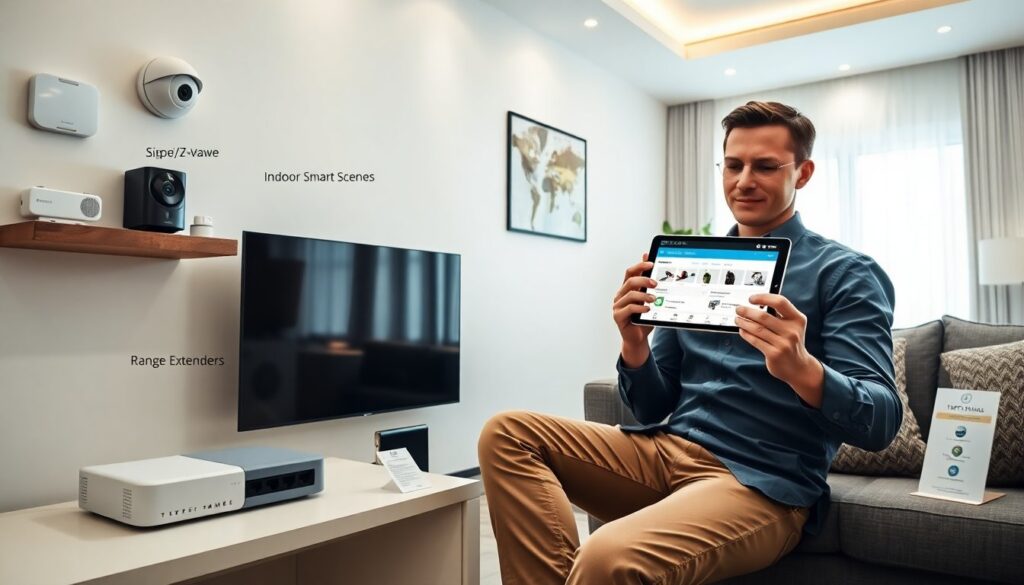
- For optimal performance, place the hub near your router, position sensors and cameras correctly, and address weak signals by relocating the hub or adding range extenders.
- Troubleshooting includes restarting the hub, re-pairing offline devices, clearing app cache, and consulting the troubleshooting guide; contact support for persistent issues or hardware failure.
What Is TXEPC Digital Home And Why It Matters
TXEPC Digital Home is a software and hardware suite for home automation. It controls lights, climate, cameras, and access points. The platform connects local devices and cloud services. It lets users run schedules and scenes. It also provides remote control through a mobile app. The main value of TXEPC Digital Home lies in its ease of use and central control. It reduces the need for multiple apps. It helps save energy by automating heating and lighting. It also helps increase home safety by integrating sensors and cameras. For many users, TXEPC Digital Home replaces several single-purpose hubs.
Quick Setup And Installation
TXEPC Digital Home uses a hub, mobile app, and compatible devices. The initial setup takes 15 to 30 minutes for most homes. The platform asks for a user account and basic network details. It then scans for supported devices and adds them automatically. Users can create rooms and scenes during setup. The system gives short prompts and clear defaults. TXEPC Digital Home supports over-the-air updates to keep the hub current.
Hardware Setup
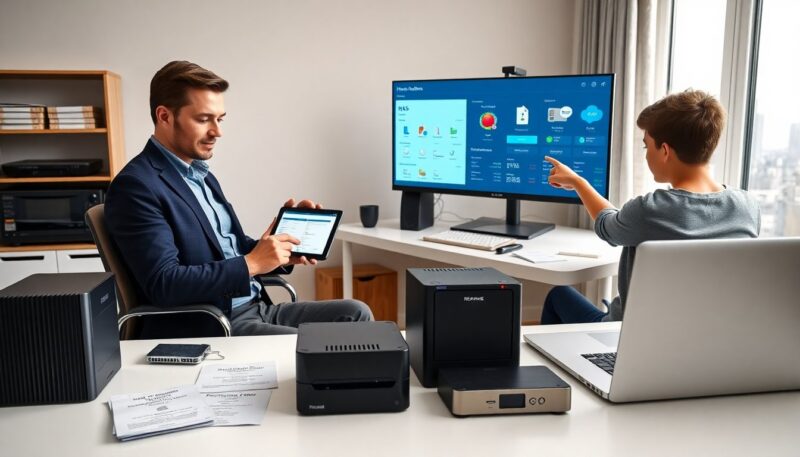
Place the TXEPC Digital Home hub near the home router. Plug the hub into power and the router. Wait for the LED to show a stable color. The hub pairs with Zigbee, Z-Wave, or Wi‑Fi devices. Press the device pairing button when the hub asks. Label each device in the app after pairing. Place sensors in their intended positions and test each sensor. Test cameras with the app to confirm night and day views. Mount devices at recommended heights for best performance.
Security, Privacy, And Best Practices
TXEPC Digital Home stores minimal data by default. The platform keeps device metadata and settings to improve service. Users can enable or disable cloud backups. They can also opt for local-only control to limit external access. TXEPC Digital Home supports two-factor authentication for user accounts. Users should enable two-factor authentication to reduce account risks. They should change default passwords on the hub and connected devices. They should restrict remote access unless they need it. They should review third-party integrations and remove any unused ones. They should set camera zones and motion sensitivity to cut false alerts. They should update firmware on the hub and devices monthly or when the app warns of an update. TXEPC Digital Home sends security alerts through the app and email. Users should act on those alerts quickly.
Troubleshooting, Maintenance, And When To Contact Support
TXEPC Digital Home gives clear error codes and status messages in the app. A common issue is device drop-off due to weak signal. Move the hub closer or add a range extender to fix weak signals. Restart the hub by unplugging it for 10 seconds if devices stop responding. Re-pair a device if it shows as offline after a restart. Check the app logs to identify failing devices. Clear the app cache if the app behaves oddly. Reset a device to factory defaults only as a last resort. TXEPC Digital Home publishes a troubleshooting page with step-by-step solutions. Contact support when the hub fails to boot, when firmware updates fail repeatedly, or when multiple devices lose connection at once. Support can run remote diagnostics and replace hardware under warranty when needed. Keep the purchase receipt and serial numbers to speed service.
About The Author