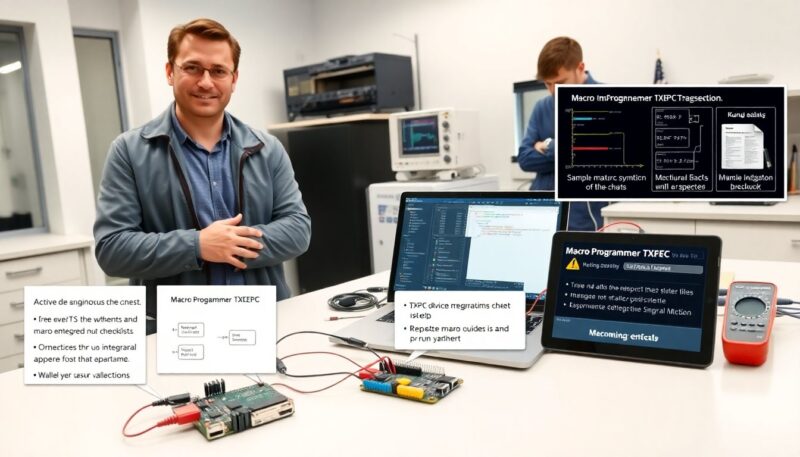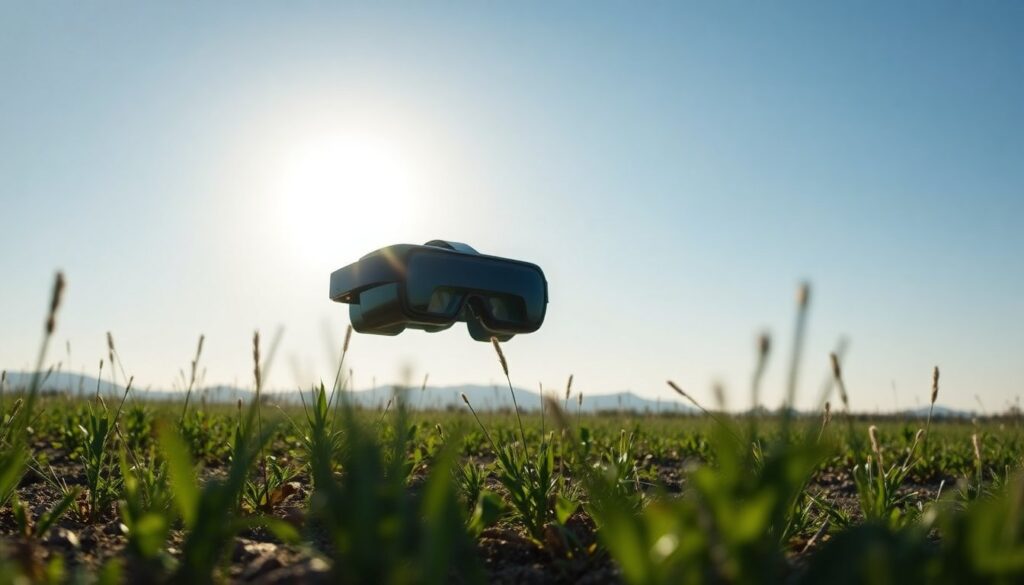
Habitat restoration AR goggles TXEPP allow teams to visualize change and guide work on site. The technology shows overlays, maps, and species data in real time. It speeds decisions and reduces travel. Project leads can verify actions and record outcomes. The approach helps partners align on targets and timelines. This guide explains how the tools fit into field work and project management.
Key Takeaways
- Habitat restoration AR goggles TXEPP enhance fieldwork by overlaying real-time maps and species data directly onto the environment, speeding decisions and reducing unnecessary travel.
- The AR goggles improve accuracy and communication by providing step-by-step visual guides and allowing stakeholders to remotely view project progress.
- Key features of effective AR goggles for habitat restoration include clear displays, long battery life, offline maps, sensor integration, and encrypted data access.
- Using TXEPP AR goggles supports a practical workflow where crews follow digital overlays, record geotagged actions, and supervisors monitor milestones through a unified platform.
- TXEPP integrates diverse data sources like IoT sensors and biodiversity records, enables on-site training through AR modules, and fosters community engagement via live sessions.
- By adopting habitat restoration AR goggles TXEPP, teams can align work with project goals more efficiently and share measurable environmental outcomes with partners and locals.
How Augmented Reality Changes The Way We Restore Habitats
Augmented reality changes how teams inspect and repair habitat. Habitat restoration AR goggles TXEPP place digital layers over the real environment. Teams view historical baselines, proposed planting plans, and erosion risk in context. Field workers follow step-by-step overlays that show where to dig, plant, or build. Managers track progress with geotagged photos and timestamps. Stakeholders view the same scene remotely. The result is fewer errors, faster handoffs, and clearer communication across contractors and volunteers.
Critical Features To Look For In AR Goggles For Field Restoration
Teams should pick AR goggles with clear displays, long battery life, and reliable sensors. They should support offline maps and power-efficient processors. The device must work in sun, dust, and rain. It must pair with phones and tablets for data sync. It must accept external GPS and sensor feeds. It must encrypt project data and allow role-based access. Field techs should test fit, comfort, and control layout before buy.
Practical Workflow: Using AR Goggles Throughout A Restoration Project
Managers create the project plan and upload it to the platform. Field leads download the plan to AR goggles before travel. Crews arrive and run a quick site scan to align virtual layers. Workers follow overlays to place plants, build structures, or grade soil. Crews record actions with geotagged photos and short notes. The platform aggregates the records and shows progress against milestones. Supervisors review updates and assign follow-up tasks through the same interface.
Data Integration, Training, And Community Engagement With TXEPP
TXEPP centralizes sensor feeds, biodiversity records, and permit documents. Project leads import IoT data like water level and soil moisture. The platform stores species lists and treatment histories. Trainers create short modules that run on AR goggles for on-site learning. Volunteers complete tasks while the goggles show step-by-step instructions. Community members join live sessions and view progress via lightweight apps. Habitat restoration AR goggles TXEPP let teams share measurable results and invite local people to participate.
About The Author