Energy audits drone txephh appear in the first line to match search intent. The technology lets teams inspect sites faster and with less risk. The process captures thermal and visual data from above. The TxEPHH method adds standardized workflows and secure data handling. The article explains what these audits do and how TxEPHH improves cost, speed, and safety for 2026 projects.
Key Takeaways
- Energy audits drone TxEPHH combine drone technology with standardized workflows to deliver faster, safer, and more cost-effective site inspections.
- Drones capture thermal and visual data that help identify heat loss, electrical faults, and damage, enabling targeted repairs and energy savings.
- TxEPHH ensures consistent results through calibrated sensors, preflight checks, and secure data handling, improving audit reliability and compliance.
- Using drones reduces field risks by eliminating the need for ladders and lifts, significantly lowering the chance of accidents during inspections.
- The structured TxEPHH audit process—from planning to verification—enhances data quality, streamlines reporting, and supports preventive maintenance.
- Clear, geo-tagged audit reports from drone energy audits TxEPHH facilitate budget planning, regulatory compliance, and insurance claims for asset managers and owners.
What Drone Energy Audits Are And Why They Matter Now
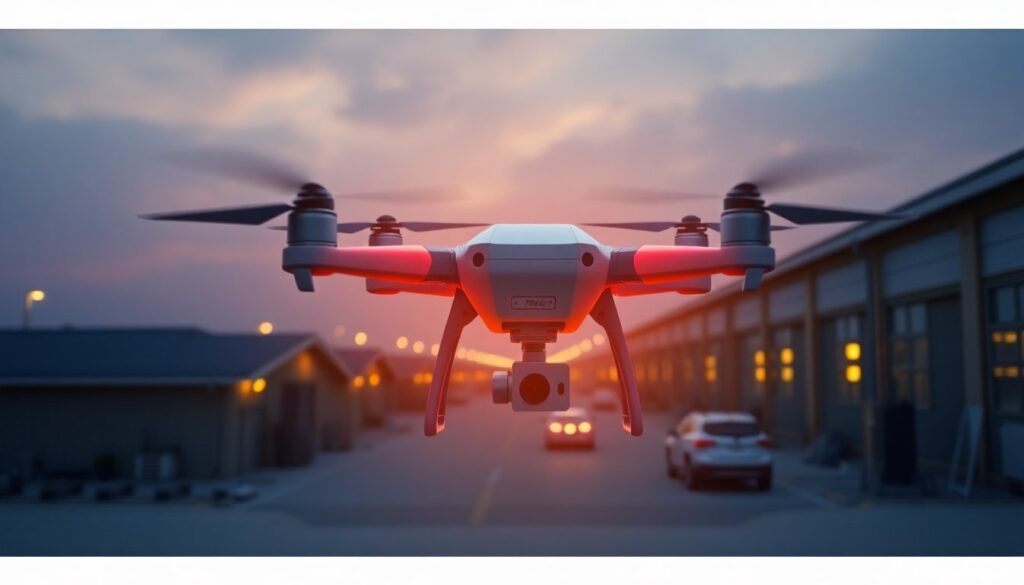
Drone energy audits drone txephh deliver aerial inspection of buildings, solar farms, and industrial sites. Operators fly drones to capture thermal and visual images. Analysts then review images to find heat loss, electrical faults, and roof damage. Owners use findings to plan repairs and save energy.
Demand for drone audits rose because teams want faster data and lower field risk. Drones reduce the need for ladders, lifts, and rope access. They cut inspection time and lower labor exposure to height hazards. Regulators now accept drone data for many compliance checks. Insurance firms increasingly accept drone reports for claims and underwriting.
The TxEPHH label signals a repeatable method for audits. TxEPHH combines flight procedures, sensor calibrations, and data security. Facilities that adopt TxEPHH see more consistent results and clearer audit records. In 2026, budgets and safety rules push managers to choose drone energy audits drone txephh over older methods.
Key Benefits Of Using Drones And The TxEPHH Approach
Drones save time. A drone inspects a roof in minutes. A human team with lifts can take hours. Faster inspections let teams run more audits per week.
Drones lower risk. A drone replaces a worker on a ladder. That change cuts fall and access incidents. TxEPHH enforces preflight checks and safe distance rules. These rules reduce human exposure and improve legal defensibility.
Drones cut cost. The equipment cost spreads across many sites. Clients pay less per inspection. TxEPHH adds repeatable workflows that reduce rework and reporting time. Repeatability lowers total project cost.
Drones improve data quality. Thermal cameras identify hotspots. High-resolution cameras capture small defects. TxEPHH uses set altitudes and overlap for consistent images. Consistent images improve automated analysis and human review.
Drones support compliance. Audits document conditions with geo-tagged photographs. TxEPHH keeps secure logs and audit trails. Those records help owners meet local codes and insurance requests.
Drones enable preventive work. Operators find small issues before they grow. Clients use audit results to schedule targeted repairs. This approach saves energy and extends asset life.
Overall, drone energy audits drone txephh give measurable benefits in time, cost, safety, and data quality.
How A TxEPHH Drone Energy Audit Works — Step By Step
Step 1: Scope and plan. The team defines the inspection area and goals. They choose sensors and map flight lines. The plan lists safety zones, no-fly areas, and data deliverables.
Step 2: Preflight checks. The pilot inspects the drone, confirms sensor calibration, and tests data links. The pilot verifies weather, battery levels, and crew roles. TxEPHH requires checklist signoff before takeoff.
Step 3: Data capture. The pilot flies flights that match the plan. The drone captures thermal images, RGB images, and metadata. The system stores files with timestamps and GPS coordinates. Operators keep redundant copies to avoid data loss.
Step 4: Initial QC on site. The crew reviews a sample of images. They confirm coverage and image clarity. If gaps appear, the team runs targeted re-flights. This step reduces later rework.
Step 5: Data transfer and security. The crew moves files to an encrypted server. TxEPHH enforces access controls and audit logs. Analysts receive a clean, organized dataset for review.
Step 6: Analysis. Analysts run automated defect detection and manual review. They flag thermal anomalies, cracked panels, and water ingress signs. They classify findings by severity and recommend repairs.
Step 7: Reporting. The audit report lists findings, images, and suggested actions. The report ties each finding to GPS coordinates and recommended timelines. TxEPHH formats reports for asset managers and insurers.
Step 8: Follow-up and verification. Teams schedule repairs and record completion. They may run a verification flight after repairs. Verification confirms that the issue resolved and that energy loss stopped.
Throughout these steps, TxEPHH emphasizes clear roles, documented decisions, and secure handling of data. The method improves repeatability and reduces disputes over findings.
Data, Reporting, And Next Steps: Interpreting Audit Findings
Analysts present easy-to-read summaries and action lists. They highlight critical items that need immediate work. They rank medium and low issues for planned maintenance. The report links each item to images and measurements. Asset managers use the list to budget repairs and track outcomes. Insurers use the report to set premiums and approve claims. Owners use the report to measure energy savings after repairs. Drone energy audits drone txephh help teams move from observation to action with clear facts and next steps.
About The Author