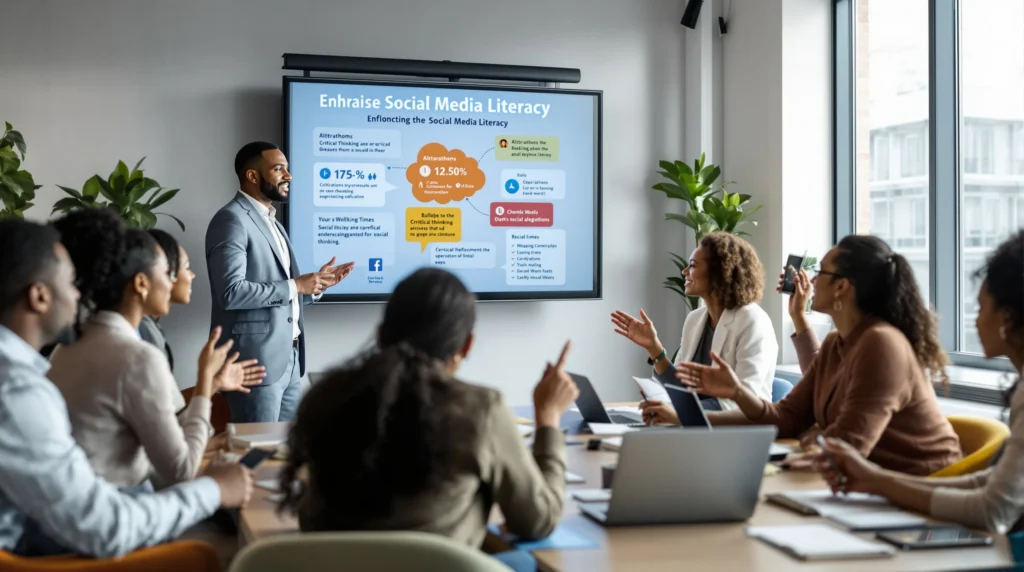
Picture this: You’re scrolling through your feed at midnight, thumb flicking past memes, news, and a friend’s vacation photos. Suddenly, a post stops you cold. It’s a wild claim—something about a miracle cure or a celebrity scandal. Your heart jumps. Should you believe it? Share it? Ignore it? This is where social media literacy steps in, and if you’ve ever felt that jolt of doubt, you’re not alone.
What Is Social Media Literacy?
Social media literacy means more than just knowing how to post a selfie or retweet a joke. It’s the skill set that helps you spot fake news, understand online trends, and protect your privacy. If you’ve ever wondered why some posts go viral or how influencers shape opinions, you’re already asking the right questions. Social media literacy gives you the tools to answer them.
Why Does Social Media Literacy Matter?
Let’s be honest: Social media shapes what we think, buy, and even how we vote. A single viral post can spark outrage, hope, or confusion. Without social media literacy, you’re at the mercy of algorithms and clickbait. With it, you can spot manipulation, avoid scams, and make smarter choices online. Here’s the part nobody tells you—being social media literate isn’t just for teens or techies. It’s for anyone who wants to stay sharp in a world where information moves at the speed of a swipe.
The Anatomy of a Social Media Post
Ever notice how some posts grab your attention while others fade into the background? That’s not an accident. Social media platforms use algorithms to show you what they think you’ll like. But here’s the catch: These algorithms don’t care if something’s true or helpful. They care if you’ll click, comment, or share.
- Headlines: The more shocking, the better. “You won’t believe what happened next!”
- Images: Bright colors, faces, and movement catch your eye.
- Engagement: Likes, shares, and comments push posts higher in your feed.
If you’ve ever shared something without reading past the headline, you’re not alone. We all do it. Social media literacy means pausing to ask: Who posted this? What’s their goal? Is it true?
Common Pitfalls: Mistakes We All Make
I’ll admit it—I once shared a “breaking news” story about a celebrity breakup, only to find out it was a prank. Embarrassing? Yes. But it taught me to double-check before hitting share. Here are a few traps even smart people fall into:
- Confirmation bias: We believe what fits our views, even if it’s false.
- Echo chambers: We follow people who agree with us, so we rarely see other perspectives.
- Emotional triggers: Posts that make us angry or scared spread faster—even if they’re fake.
If you’ve ever felt tricked or overwhelmed, you’re not alone. Social media literacy helps you spot these traps and sidestep them.
How to Build Social Media Literacy
Ready for some practical steps? Here’s how you can boost your social media literacy starting today:
- Check the source: Is it a reputable news outlet or a random blog?
- Look for evidence: Are there facts, links, or expert quotes?
- Pause before sharing: Ask yourself if it’s true—or just entertaining.
- Adjust your feed: Follow a mix of voices, not just people who agree with you.
- Protect your privacy: Review your settings and think twice before posting personal info.
Here’s why this matters: Every time you pause, question, or fact-check, you make the digital world a little smarter. You set an example for friends and family. You become the person others trust for reliable info.
Who Needs Social Media Literacy?
If you use Facebook, Instagram, TikTok, or any other platform, social media literacy is for you. It’s not just for students or journalists. Parents need it to help their kids. Professionals need it to avoid scams. Even grandparents benefit—nobody wants to fall for a phishing scheme or share a hoax.
But here’s the truth: If you’re looking for a way to avoid all risk or never make a mistake online, social media literacy won’t give you that. It’s not a magic shield. It’s a set of habits and questions that help you make better choices, one post at a time.
Social Media Literacy in Action: Real Stories
Let’s break it down with a real example. A friend of mine, Sarah, once believed a viral post about a new “miracle diet.” She bought the supplements, followed the plan, and ended up feeling worse. After some research, she realized the post was sponsored by the company selling the pills. Now, Sarah checks sources and reads reviews before buying anything she sees online. Her story isn’t unique—millions fall for similar tricks every year.
Another example: During a major election, a fake news story spread like wildfire. It claimed a candidate had dropped out. Many people believed it and changed their votes. Later, it turned out to be completely false. Social media literacy could have saved a lot of confusion—and maybe even changed the outcome.
Next Steps: Level Up Your Social Media Literacy
If you’ve ever felt overwhelmed by the flood of information, you’re not alone. The good news? You can get better at social media literacy with practice. Start by questioning what you see. Share only what you trust. Teach your friends and family to do the same.
Here’s the part nobody tells you: Social media literacy isn’t about being perfect. It’s about being curious, cautious, and kind. It’s about making the digital playground safer and smarter for everyone. If you’re ready to take control of your feed—and your mind—start today. Your future self will thank you.
About The Author