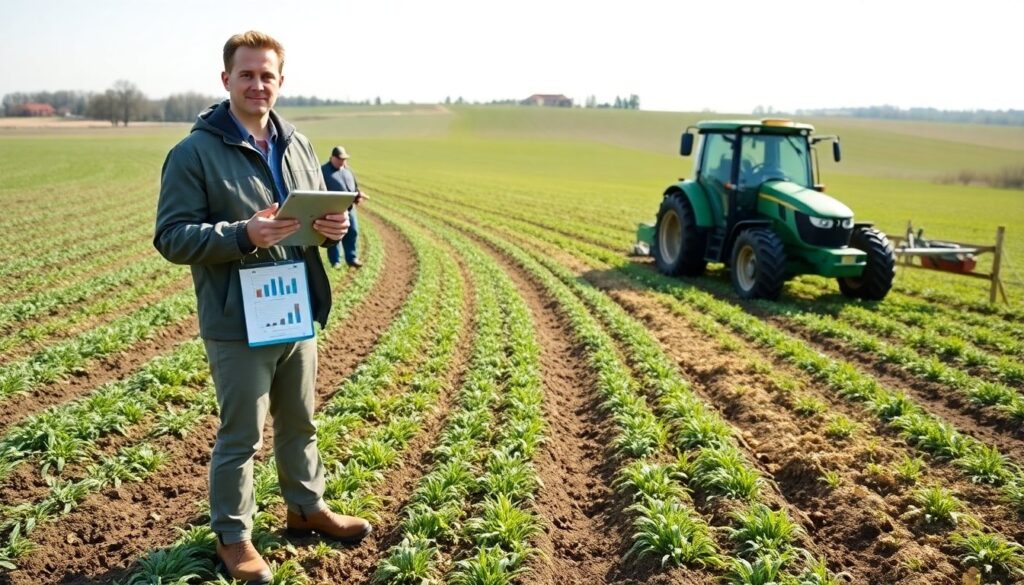
The sustainable agriculture txpigrendel system offers clear methods to improve soil health and yield. Farmers can adopt these methods on small and large plots. The system uses soil cover, crop mix, and timing to reduce erosion and increase organic matter. The guidelines below show steps, measurements, and common fixes. The plan aims to save inputs and raise consistent yields.
Key Takeaways
- The sustainable agriculture txpigrendel system improves soil health and yield by emphasizing soil cover, crop rotation, and low-disturbance tillage.
- Farmers should use locally selected cover crops like legumes and grasses to enhance nitrogen fixation and carbon addition while adapting to climate and planting windows.
- Implementing txpigrendel practices involves step-by-step actions including assessing fields, adjusting tillage, managing nutrients precisely, and monitoring soil moisture regularly.
- Measuring organic matter, infiltration rate, and residue cover enables farmers to track progress and troubleshoot issues such as compaction, pests, or nutrient imbalances.
- The system supports consistent yields after a few seasons and reduces input costs, erosion, and fertilizer loss, benefiting both farmers and local communities.
- Scaling the txpigrendel system requires documenting results on one field first, then adapting practices gradually by soil type and microclimate for risk management.
What The Txpigrendel System Is And Why It Matters For Sustainable Farms
The txpigrendel system is a set of field practices and schedules. The system focuses on soil cover, rotation, and low‑disturbance tillage. It uses cover crops to keep roots in the ground year round. It uses mixed species to feed microbes and to break pest cycles. The sustainable agriculture txpigrendel system emphasizes simple measurement. Farmers track organic matter, infiltration rate, and residue cover. The system matters because it reduces fertilizer loss and limits soil erosion. It helps farmers keep water in the soil and lower input costs. It also supports beneficial insects and improves pollination. The txpigrendel system fits both row crops and mixed vegetable farms. It requires planning but not heavy capital. The system asks for regular field checks and short records. The sustainable agriculture txpigrendel system proves useful during dry spells because soil holds moisture better. Research and field trials show stable yields after two to three seasons when farmers apply the system correctly. The system uses locally selected cover crops. The system recommends legumes to add nitrogen and grasses to add carbon. The farmer adapts species to climate and planting windows. The sustainable agriculture txpigrendel system pairs well with precise nutrient testing. The farmer uses test results to apply only needed nutrients. The system reduces runoff and protects local water. The community gains when farmers cut fertilizer loss and erosion.
How To Implement Txpigrendel Practices On Your Farm: A Step‑By‑Step Plan
Step 1: Assess the field. The farmer tests topsoil organic matter, pH, and compaction. The farmer maps erosion hotspots and water flow. Step 2: Choose cover crops. The farmer selects a legume and a grass mix suited to the climate. The sustainable agriculture txpigrendel system recommends oats and clover in temperate zones. The farmer times planting to follow harvest within two weeks. Step 3: Adjust tillage. The farmer reduces tillage depth and frequency. The farmer keeps roots and residue to feed microbes. The sustainable agriculture txpigrendel system asks for shallow tillage only when needed. Step 4: Plan rotations. The farmer alternates cereals, legumes, and broadleaf crops over three years. This plan lowers pest build-up and evens nutrient demand. Step 5: Manage nutrients. The farmer uses soil test results to plan fertilizer timing and rate. The sustainable agriculture txpigrendel system favors split applications and banding near roots. Step 6: Monitor moisture. The farmer uses simple probes or manual checks. The farmer adjusts irrigation to keep steady soil moisture and to avoid waterlogging. Step 7: Record results. The farmer logs cover crop success, residue cover, and yield data. The sustainable agriculture txpigrendel system uses this log to refine the plan each season. Step 8: Train staff. The manager teaches crew simple checks, planting windows, and signs of compaction. The system reduces risk when the whole team follows the plan. The farmer starts small and scales by field unit. The sustainable agriculture txpigrendel system works best when the farmer commits to a minimum three‑year cycle. The farmer learns from yearly measurements and makes small changes rather than wide swings.
Measuring Results, Troubleshooting Common Challenges, And Scaling Txpigrendel
Measure organic matter each year. The farmer takes cores at fixed spots and records results. Measure infiltration by timing how fast water soaks into the soil after a set amount. Measure residue cover with a simple line transect. The sustainable agriculture txpigrendel system uses these metrics to show progress. If organic matter stalls, the farmer adds more cover crop biomass and reduces disturbance. If weeds rise after cover crops, the farmer shortens the interval between termination and planting. If pests appear, the farmer adds more crop diversity and increases trap crops. If soil compacts, the farmer uses controlled traffic and deep-rooted cover crops to open the soil. If nitrogen dips, the farmer checks legume mix and nodulation and adjusts the species mix. The sustainable agriculture txpigrendel system expects some trial and error in year one. The farmer learns fast from tests and logs. To scale the system, the farmer documents what works on one field. The manager then applies those steps to neighboring fields and notes differences. The farmer adapts species and timing by microclimate and soil type. The sustainable agriculture txpigrendel system scales by area in stages to limit risk. The farmer keeps detailed yield and cost records to show return on investment. The system can cut fertilizer costs and lower erosion quickly when the farmer follows the steps. Communities see benefits when many farms adopt the system. Extension services and local labs can help with tests and species selection. The farmer seeks local advice and uses simple trials to confirm results before full rollout. The sustainable agriculture txpigrendel system rewards steady practice and clear measurement.
About The Author