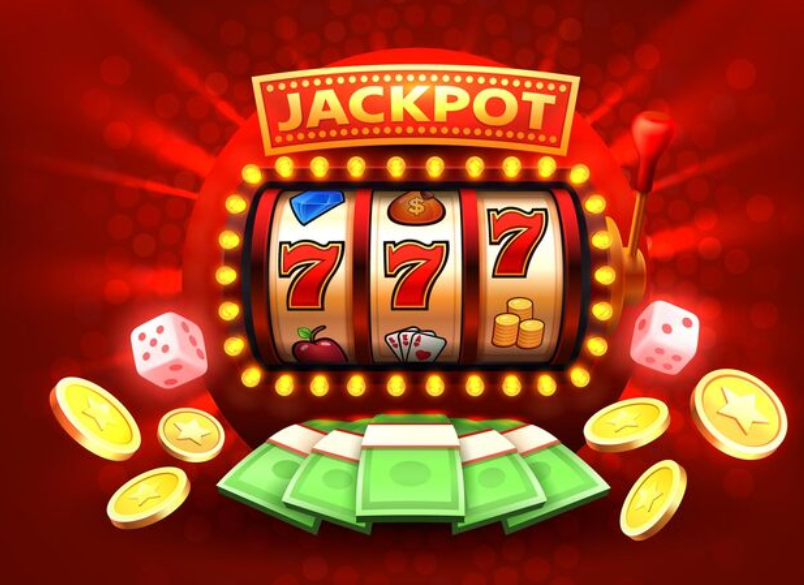
Slot machines have existed for more than a century, but their move from physical casino floors to digital platforms changed far more than where people could play them. The transition reshaped game design, accessibility, visual presentation, payment systems, and even the way players interact with individual titles.
Traditional machines were built around mechanical reels, physical buttons, coin slots, and fixed cabinet designs. Online slots removed many of those physical limitations. Developers could suddenly experiment with larger reel layouts, animated symbols, interactive bonus rounds, and themes that would have been difficult to reproduce inside a mechanical machine.
As a result, online slot gaming developed into a separate branch of digital entertainment rather than simply becoming a virtual copy of casino machines.
Physical Reels Became Digital Game Engines
Early slot machines depended on mechanical components that physically determined how the reels moved. Later electronic machines introduced computerized systems, but they still operated within a physical cabinet.
Online slots changed that structure completely.
Digital games rely on software rather than mechanical reels. Random number generators determine game outcomes, while graphics software controls how those outcomes appear on screen. This separation allows developers to create reel movements, animations, sound effects, and visual sequences without changing the mathematical system underneath the game.
It also allows different themes to use similar technical foundations while presenting completely different visual experiences.
Game Variety Expanded Dramatically
Physical casinos have limited floor space. Every machine occupies a real location, which means operators must decide which games deserve space on the casino floor.
Online platforms do not face the same physical restrictions. Hundreds or even thousands of titles can appear within one digital library.
That shift has encouraged developers to experiment with themes ranging from mythology and adventure to futuristic worlds, food, animals, and historical settings. Players can also explore practice-oriented environments such as สล็อตทดลองเล่น, where the focus may be on understanding how a slot’s layout, symbols, or bonus mechanics function before engaging with other forms of play.
The wider digital catalog also means that older game styles can exist alongside experimental formats instead of being replaced whenever a new cabinet arrives.
Bonus Features Became More Complex
Mechanical slots traditionally relied on relatively simple combinations of symbols. Digital technology expanded what could happen after the reels stopped.
Modern online slot games may include free-spin rounds, expanding symbols, cascading reels, multiplier systems, interactive pick features, or changing reel structures. Some games temporarily shift into completely different layouts during bonus sequences.
Because everything happens through software, developers can introduce additional layers without requiring new hardware.
This flexibility has also influenced how players learn a game. Clear animations, paytable explanations, symbol highlights, and on-screen prompts can visually demonstrate what triggered a feature and how it works.
Access Shifted From Casino Floors to Personal Devices
One of the largest changes was accessibility.
Traditional slot play required a visit to a casino, gaming hall, or other physical venue. Online platforms made slot games available through desktop computers and later smartphones and tablets.
Mobile compatibility became especially important as users increasingly expected entertainment to work across smaller screens. Developers responded by simplifying menus, enlarging important controls, and creating interfaces that adapt to different screen sizes.
Platforms such as SAWA888 reflect the broader digital environment in which slot interfaces, account systems, and game libraries can be accessed through connected devices rather than a dedicated physical machine.
Visual Design Became More Cinematic
Physical slot machines have always used lights, artwork, and sound to attract attention. Online development expanded those tools significantly.
Modern digital slots can include animated backgrounds, character movement, short story sequences, layered soundtracks, and visual effects that react to specific events.
However, effective design still requires restraint. Too much animation can distract from essential information such as paylines, balances, symbols, or feature triggers.
The strongest interfaces generally use animation to support gameplay rather than obscure it. Motion can highlight a winning pattern, introduce a bonus round, or signal that a special symbol has appeared.
Updates Became Easier
A physical machine often requires maintenance, component replacement, or direct modification when changes are needed.
Online games can be updated through software.
Developers may improve compatibility, adjust interface elements, repair technical issues, or optimize performance without replacing a cabinet. This ability has helped online slot technology evolve more rapidly than traditional mechanical formats.
It has also encouraged continuous experimentation with new game engines, responsive layouts, and graphical techniques.
Conclusion
When slot machines moved online, the change went far beyond replacing physical reels with digital ones. Software removed many of the limitations created by cabinets, mechanical components, and casino floor space.
The result was greater game variety, more elaborate bonus features, mobile accessibility, richer animation, and faster technological development.
Although modern online slots still retain familiar ideas such as reels, symbols, and spinning sequences, the technology behind them has transformed the experience into a flexible form of digital entertainment. The move online did not simply recreate the traditional slot machine on a screen. It gave developers an entirely new environment in which the format could evolve.
About The Author