The board is set up. Snacks are out. Everybody knows the rules. And then it happens the way it always does: nobody will take the first turn. Someone mutters “you go,” someone else says “no, you go,” and a game that took four minutes to set up loses ten to a standoff over who moves a little plastic piece first.
It’s such a small thing. That’s exactly why it’s maddening. Whether it’s your kids fighting over who gets the first roll, a classroom deciding who reads out loud, or four adults who genuinely cannot agree on which restaurant to walk to, the problem is never the decision itself. It’s the deciding.
People have been solving this exact problem for a very long time, though. Most of the fixes take about three seconds.
Why a Coin Flip Feels Fair (When Picking Yourself Doesn’t)
The trouble with being the one who decides is that even when you’re being completely fair, it doesn’t look fair. Say “okay, Maya goes first” and someone is going to wonder why Maya. Pick the restaurant yourself and you own every complaint about the food.
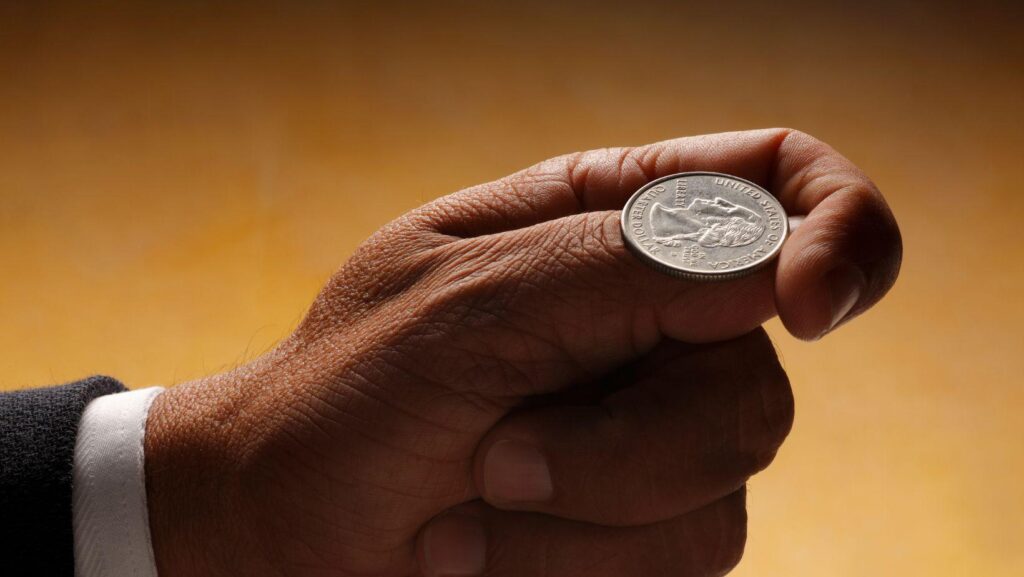
A coin flip takes you out of it. The result comes from chance instead of your opinion, so nobody can accuse anyone of playing favorites. It gives both sides an even shot, it’s quick, and it doesn’t ask for any special equipment beyond something with two sides. That mix is why a coin toss still opens a football game, deciding who kicks off, centuries after somebody first thought to try it.
There’s a limit, and it’s worth saying out loud. A coin is perfect for the stuff that doesn’t really matter: who serves first, who picks the movie, who has to text the group and admit you’re all running late. Once the stakes get real, people stop accepting randomness, and honestly, good. Researchers who study decisions have pointed out that a coin toss feels reasonable exactly when the outcome barely matters, and starts to feel wrong the second it does. So flip for the front seat. Don’t flip for anything you’d actually be upset to lose.
People Have Been Settling This for a Very Long Time
The coin toss is genuinely ancient. The Romans had a version they called navia aut caput, “ship or head,” because their coins usually showed a ship on one side and an emperor’s head on the other. Medieval England played the same game under the name “cross and pile.” Same idea, different pocket change.
My favorite example is more recent. In 1903, two brothers stood on a windy stretch of North Carolina sand, about to attempt something nobody had ever done, and they settled who would try first with a coin. Wilbur Wright won the toss. His first attempt didn’t work out and it was Orville who actually got the Flyer into the air a few days later, but the point holds: the first powered airplane flight in history started with a coin toss on the beach.
If a coin was good enough for the Wright brothers, it’s good enough for deciding who takes the dog out.
A Few Fair Ways to Break a Tie
The coin is the classic, but it isn’t the only trick worth having. Depending on the group and the mood, any of these will get you moving:
- The coin flip. Two options, one toss, and you’re done. Let whoever didn’t flip make the call while it’s still in the air, it feels squarer that way.
- Odds or evens on fingers. Two people, a quick count, no props required. Kids especially love the little drama of the reveal.
- Drawing straws, or the tidier modern version where someone holds a few pens and hides the lengths. Handy once more than two people are in the mix.
- Rock, paper, scissors, still undefeated for a fast two-person standoff, with the bonus that it feels like a tiny contest rather than pure luck.
- Names in a hat. Or a bowl. Or, if you’re being honest about your household, a slightly crumpled cereal box. Perfect for a whole classroom where one flip won’t cover it.
The trick isn’t really which method you pick. It’s choosing one fast and committing before anyone has time to start lawyering the rules.
When Nobody Actually Has a Coin
Try to find an actual coin on you right now. Half the time there isn’t one. We tap cards, we scan phones, and loose change has quietly vanished from most pockets over the last decade.
That’s the small reason the coin flip drifted onto our screens. If nobody has a quarter handy, you can flip a coin online in the time it takes to pull out your phone, and you still land on the same fair fifty-fifty result. It scratches the same itch as the real thing, the little suspense while it spins, the reveal, the groan or the cheer, minus the digging around in the couch cushions.
One thing worth keeping in mind either way, metal coin or screen: every flip is its own event. Three heads in a row does not make tails “due” on the next one. The coin has no memory, and each toss is a clean fifty-fifty. Plenty of people bet against that instinct anyway. The coin still doesn’t care.
Keeping It Fair with Kids (and Sore Losers)
Anyone who’s refereed a game night with small children, or with a few particular adults, knows the flip is the easy part. The aftermath is the hard part.
A few things help. Announce the method and what’s at stake before you flip, never after, so nobody feels the rules got bent around the result. Let the person who might lose call heads or tails, that little scrap of control makes losing go down easier. And if the same kid keeps losing and keeps dissolving into tears, rotate who goes first each round instead of flipping every single time. Fair across a whole evening beats fair in one dramatic moment.
Mostly, keep it light. The coin isn’t a judge handing down a sentence. It’s a way to stop arguing and start playing, and when you treat it like that, the rest of the table usually follows.
Let the Coin Decide
None of this is complicated, which is sort of the whole point. These little methods have barely changed in two thousand years because they never needed to.
So next time your table stalls out over who goes first, don’t talk it into the ground. Flip for it, laugh at how it lands, and get back to the fun you actually sat down for.
About The Author