Any routine activity can escalate into chaos out of nowhere. You might be walking across your home or stepping into the shower, and suddenly something feels off. For many seniors, the danger of injury is not the only concern; they also worry about isolation and not being able to get assistance promptly. Over time, even well-known routines can become uneasy due to that uncertainty.
There is a practical way to reduce that risk without giving up independence. Medical alert systems are a direct connection to help when needed. Only one step away, you will find trained responders ready to help. These systems fit into daily life without adding complexity or stress. They provide quiet support in the background while you are out and about.
This article covers what medical alerts are and how they can address many common safety issues for older adults.
1. Faster Emergency Response
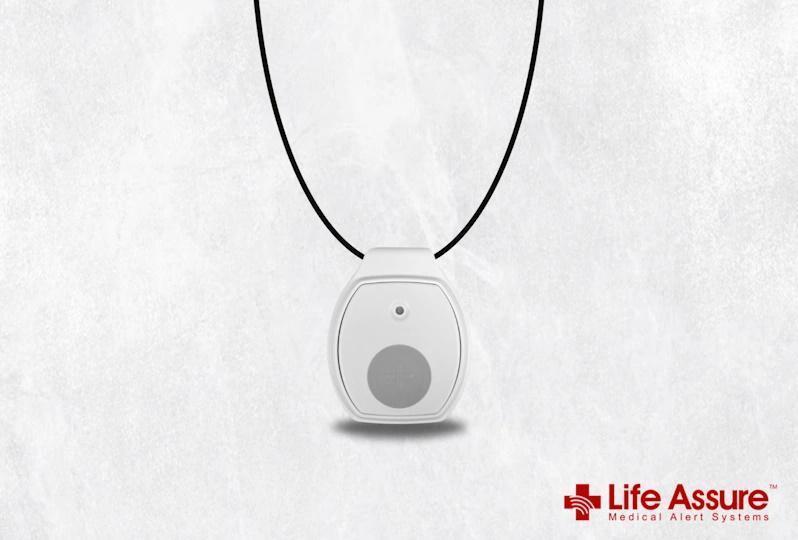
Choosing the best medical alert for senior citizens often starts with one key concern: how quickly help can arrive during an emergency. A medical alert device establishes an immediate connection to skilled responders who can evaluate the situation and respond in a timely fashion. This instant connection will eliminate the need to look for a phone or describe it under pressure.
Recovering quickly is a very important part of recovery. The fewer the chances of complications, the sooner help comes. The study found that a delay in seeking care after falls is associated with greater hospitalization and chronic conditions.
When people do not understand, they will react poorly. It is important to speak directly with the responder to help calm any panic and confusion. A relaxed discussion can make a positive difference during emergencies and lead to better decisions while waiting for help.
2. Reduced Fall Impact

Falls continue to be a major cause of injury in the elderly. This risk increases with age, balance issues, and medical conditions. This is addressed by using a medical alert system, which ensures that support is always available after an incident.
Another layer of protection is provided with automatic fall detection, which detects unexpected activities or shocks and alerts without user intervention. This is particularly valuable if someone is shocked or injured and is unable to hold a button.
A study available found that fall detection systems reduce the time individuals remain unattended after a fall. Earlier response times are associated with fewer complications, such as dehydration and pressure-related injuries.
3. Greater Daily Confidence
Self-confidence is key to an independent lifestyle. Many seniors begin to limit their activities because they worry about what could happen if something goes wrong. This uncertainty can gradually decrease the amount of physical activity and can also have an impact on emotional health.
A medical alert device can help ease those fears. Having someone available makes it easier to move about during the day. With support readily available with a single click, mundane jobs become safer. This reassurance helps reduce hesitation in everyday routines.
This level of comfort makes individuals more likely to lead an active life. Balanced and regular movement promotes strength, balance, and general well-being. The device encourages activity, which is a major factor in prevention and emergency response.
4. Less Caregiver Stress
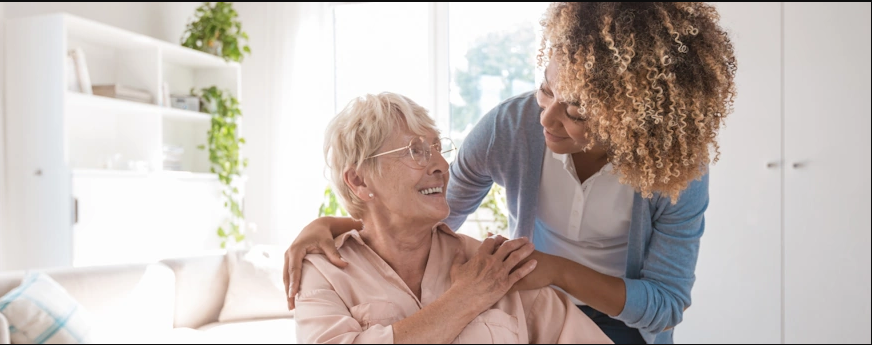
A sense of concern is commonly felt by caregivers. If someone is living alone, it will always be a question of whether they are doing okay. Constant checking can get stressful and can have a negative impact on the relationship. This constant worry can also affect the daily routine of the caregiver.
Therefore, using medical alert systems ensures peace and calm for everyone. Caregivers are aware that a solid safeguard is consistently in place. This means there is a decrease in the need to call frequently and an increased opportunity for natural and relaxed communication. It also helps build trust between both sides over time.
In times of crisis, it is imperative to communicate clearly. When an alert is triggered, responders can quickly inform caregivers about the situation. This is a form of organization of communication, which helps avert confusion and keeps everybody informed. This structured approach supports faster and more coordinated action when needed.
5. Simple Everyday Use
Ease of use is essential for any safety device. Medical alert systems are supposed to be simple, and feature easily understood buttons, clear audio prompts, and minimal setup. This makes them accessible even for individuals who are not comfortable with technology. The aim is to reduce obstacles so that assistance can always be found.
Simplicity is even more important during stressful times. A complicated system can create hesitation, while a simple one will enable quick action. In an emergency, a prompt response may be the key to survival. Design does have a direct impact on safety results in this instance.
Durability is another vital characteristic that can be acquired through everyday use. Most devices are water-resistant and can be worn daily. This enables users to leave them on throughout the day, including in accident-prone areas. Long-term use ensures permanent protection without interruption.
Conclusion
Medical alert systems are responding to real issues affecting many seniors daily. They offer immediate response during emergencies and lower potential fall hazards. It also helps with confidence in their daily lives. They also reduce stress for caregivers and have a simple yet effective application in real life.
If safety is a concern, consider adding a medical alert device to your routine. Adopt a system that works for you and use it regularly. This kind of small step can provide good protection and peace of mind.
About The Author