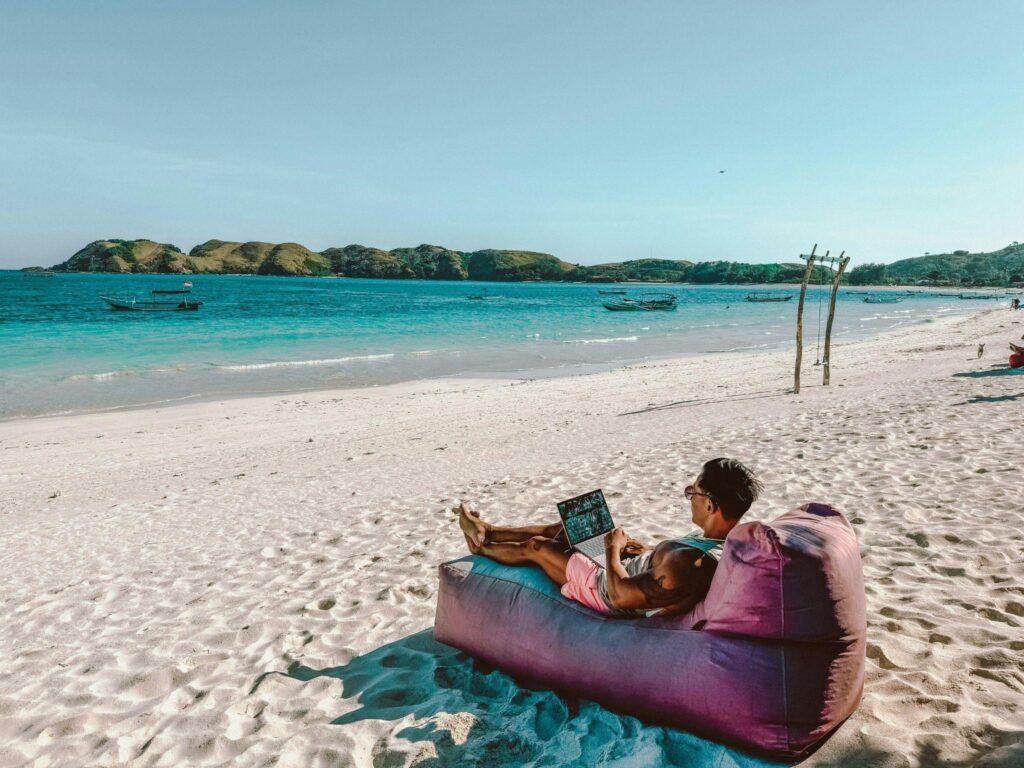
Picking your next base as a digital nomad takes more than scrolling through pretty photos and booking a flight. Reliable Wi-Fi, a livable cost of living, and a visa that won’t leave you sweating a border run every ninety days matter more than the beach does.
Some countries have leaned hard into this shift, building visa programs and infrastructure specifically for remote workers. Others just work well because of existing expat communities and decent connectivity.
Here are four worth considering for your next stretch abroad.
Four Destinations Worth Building Your Next Chapter Around

Digital nomads enjoy the luxury of traveling the world while earning an income with a wide range of opportunities.
For instance, many decide to do content creation as a means of making money while traveling. You can base your content around your travels, or you could even start an OnlyFans page where potential subscribers can find you no matter where you base yourself by using an onlyfans search tool.
None of these four picks requires fluent local language skills or a six-figure remote salary. Each one offers a different mix of cost, community, and legal clarity for someone working from a laptop.
Here’s the breakdown of our top picks.
Colombia: Big-City Energy at a Fraction of the Cost
Colombia has shed its old reputation and become a legitimate contender for remote workers chasing city energy without city prices. Medellín, in particular, has built a strong nomad scene around its mild year-round climate, often called endless spring by locals and expats alike.
Rent in Medellín stays far cheaper than comparable cities in the US or Western Europe, even in nicer neighborhoods popular with expats. A modern one-bedroom in a walkable area can cost half what you’d pay for something similar back home.
This is a great option for digital nomads, as it combines beauty and nature with excitement, affordability, and a sense of community.
Portugal: Structure Without Sacrificing Culture
Portugal has become one of the more organized options for remote workers, thanks to a dedicated visa pathway built for people earning income outside the country.
The visa requires proof of remote income and a clean background check, but the paperwork stays manageable compared to most European alternatives.
Lisbon and Porto both host large communities of remote workers, which makes networking and finding short-term housing easier than starting from scratch. The cost of living has climbed sharply in those two cities, though, driven up by years of tourism and foreign buyers snapping up apartments.
Smaller cities like Braga or Coimbra offer a much better balance of affordability and decent internet speeds. You still get university-town energy, cheap food, and easy weekend access to the rest of Europe, without paying Lisbon rent prices for a one-bedroom apartment.
Mexico: Keeps Things Simple for North American Remote Workers
Mexico remains one of the easiest entry points for remote workers based in the US or Canada, mainly because of short flights and a minimal time zone difference. That matters more than people expect once you’re trying to schedule calls with a home office team.
Cities like Mexico City and Oaxaca have built genuine remote work scenes over the past several years. Coworking spaces and cafes there are clearly designed around people staying for months, not days, with monthly membership deals and reliable backup power during outages.
Visa requirements stay straightforward for many nationalities, often just requiring proof of funds at the border. The cost of living stays lower than most US cities, too, which makes Mexico a solid, low-risk testing ground for anyone new to the nomad lifestyle.
Thailand: Blends Affordability With a Built-In Nomad Community
Thailand has hosted remote workers for years, and cities like Chiang Mai have built an entire ecosystem around it. Coworking spaces, nomad meetups, and affordable long-term housing all exist because so many people have tested the waters before you got there.
The cost of living stays low even in touristy areas, stretching a modest remote income much further than it would in Europe or North America. A one-bedroom apartment near a coworking space can cost a fraction of a comparable US city, food included.
This is a great place for creatives with a sense of adventure. For instance, a digital nomad working as a freelance photographer might spend mornings editing client work in a coworking space, then afternoons exploring temples for a personal blog.
That mix of productivity and genuine exploration is exactly what draws so many people to stay longer than planned.
Choosing Based on What You Need
None of these four destinations wins outright, since the right pick depends on your income, your tolerance for bureaucracy, and how much built-in community you want from day one.
Portugal suits structure-lovers, Mexico suits nomad beginners, Thailand suits budget-conscious creators, and Colombia suits social butterflies chasing city energy.
Whichever country you land in, nomads who stick with this lifestyle long-term tend to pick destinations based on honest logistics, not the prettiest photos. A country that fits your working style beats one that just looked good on someone else’s feed.
About The Author